

Antioxidants, Cell Protection, Enzymes, Food, Foundational Supplements, NRF2 Activators, Nutritional Supplements, Superfoods
ULTIMATE PROTECTOR INGREDIENTS – CURCUMINOIDS
 Ultimate Protector contains curcuminoids (greater than 95% from turmeric), as well as components from 29 different fruits, vegetables, and herbs. Each of these ingredients contain substances that may be considered to be polyphenols, antioxidants, and Nrf2 activators. In this article I will explore the ingredient curcuminoids, which is added as a separate ingredient.
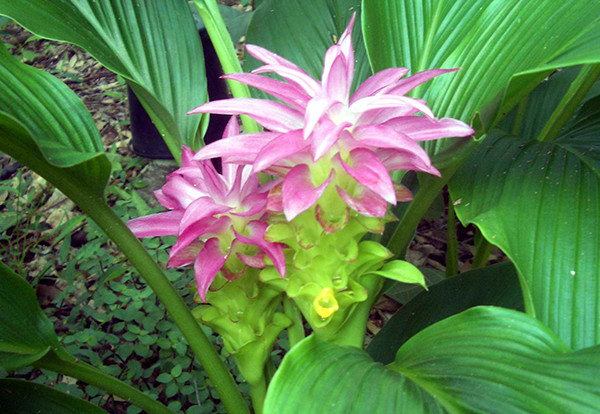
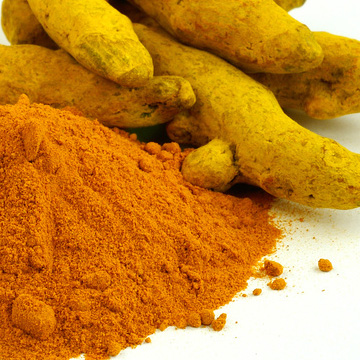
Curcuminoids are the major active component of turmeric, a yellow compound isolated from the plant Curcuma longa (a member of the ginger family) and has been used for centuries in traditional medicines. Curcuminoids in turmeric include curcumin, desmethoxycurcumin, and bisdesmethoxycurcumin (these are standardized in the Sabinsa Curcumin C3 Complex® ingredient).
Curcuminoids exert both direct and indirect antioxidant effects by scavenging reactive oxygen species (ROS) and inducing the expression of cytoprotective proteins in an Nrf2-dependent way. It is considered a bifunctional antioxidant. The nuclear-factor-erythroid-2-related factor 2 (Nrf2), is a ubiquitous master transcription factor which induces the endogenous production of cytoprotective proteins/enzymes through binding to antioxidant response elements (AREs) at the DNA/gene level.
An excellent and extensive online source of information on curcuminoids (curcumin) can be found at: http://examine.com/supplements/Curcumin/
Scientific Studies on the Health Protective Effects of Curcuminoids
Databases (like the PubMed database of the National Institutes of Health (NIH)) of scientific studies contain thousands of up-to-date studies and abstracts about curcumin/curcuminoids.
Pharmacological basis for the role of curcumin in chronic diseases: an age-old spice with modern targets
Abstract
Antioxidant and anti-inflammatory properties of curcumin
Abstract
Curcumin: The Indian Solid Gold
Abstract
Curcumin decreases oxidative stress in mitochondria isolated from liver and kidneys of high-fat diet-induced obese mice
Abstract
Oxidative stress plays a key role in obesity and diabetes-related mitochondrial dysfunction. Mitochondrial dysfunction is characterized by increased oxidative damage, nitric oxide (NO) synthesis, and a reduced ratio of adenosine-5′-triphosphate (ATP) production/oxygen consumption. Curcumin represents a potential antioxidant and anti-inflammatory agent. In this study, our objective was to determine the effect of curcumin treatment on oxidative stress and mitochondrial dysfunction in high-fat diet (HFD)-induced obese mice (OM). These results suggest that curcumin treatment increased oxygen consumption and significantly decreased lipid and protein oxidation levels in liver mitochondria isolated from HFD-induced OM compared with those in the untreated OM (UOM). In kidney mitochondria, curcumin treatment significantly increased oxygen consumption and decreased lipid and protein peroxidation levels in HFD-induced OM when compared with those in UOM. Curcumin treatment neither has any effect on body weight gain nor have any effects on mitochondrial NO synthesis. These findings suggest that obesity induces oxidative stress and mitochondrial dysfunction, whereas curcumin may have a protective role against obesity-induced oxidative stress and mitochondrial dysfunction.
Curcumin for radiation dermatitis: a randomized, double-blind, placebo-controlled clinical trial of thirty breast cancer patients.
From: http://www.ncbi.nlm.nih.gov/pubmed/23745991
Abstract
Radiation dermatitis occurs in approximately 95% of patients receiving radiotherapy (RT) for breast cancer. We conducted a randomized, double-blind, placebo-controlled clinical trial to assess the ability of curcumin to reduce radiation dermatitis severity in 30 breast cancer patients. Eligible patients were adult females with noninflammatory breast cancer or carcinoma in situ prescribed RT without concurrent chemotherapy. Randomized patients took 2.0 grams of curcumin or placebo orally three times per day (i.e., 6.0 grams daily) throughout their course of RT. Weekly assessments included Radiation Dermatitis Severity (RDS) score, presence of moist desquamation, redness measurement, McGill Pain Questionnaire-Short Form and Symptom Inventory questionnaire. The 30 evaluable patients were primarily white (90%) and had a mean age of 58.1 years. Standard pooled variances t test showed that curcumin reduced RDS at end of treatment compared to placebo (mean RDS = 2.6 vs. 3.4; P = 0.008). Fisher’s exact test revealed that fewer curcumin-treated patients had moist desquamation (28.6% vs. 87.5%; P = 0.002). No significant differences were observed between arms for demographics, compliance, radiation skin dose, redness, pain or symptoms. In conclusion, oral curcumin, 6.0 g daily during radiotherapy, reduced the severity of radiation dermatitis in breast cancer patients.
Curcumin attenuates insulin resistance in hepatocytes by inducing Nrf2 nuclear translocation
From: http://europepmc.org/abstract/med/22024084
Abstract
BACKGROUND/AIMS: NF-E2-Related Factor-2 (Nrf2) is a transcription factor that plays a crucial role in the cellular protection against oxidative stress. Curcumin has been reported to induce Nrf2 nuclear translocation and upregulate the expression of numerous reactive oxygen species (ROS) detoxifying and antioxidant genes in hepatocytes.This study was designed to investigate whether curcumin-induced Nrf2 nuclear translocation could reduce ROS-mediated insulin resistance in cultured LO2 hepatocytes. METHODOLOGY: Human LO2 hepatocytes were incubated with curcumin and glucose oxidase (GO) in the presence/absence of wortmannin (a phosphatidyinositol 3-kinase (PI3K) inhibitor). Oxidative stress, cellular damage, Nrf2 nuclear translocation and insulin resistance were measured. RESULTS: GO exposure significantly increased intracellular ROS, glutathione (GSH) depletion, malondialdehyde (MDA) formation, and increased activities of cellular lactate dehydrogenase (LDH) and aspartate amino transferase (AST), as well as causing insulin resistance. Curcumin pretreatment significantly attenuated these disturbances in intracellular ROS, liver enzyme activity and significantly antagonized the lipid peroxidation, GSH depletion and insulin resistance induced by GO in LO2 hepatocytes. These effects paralleled Nrf2 nuclear translocation induced by curcumin. Wortmannin partially blocked curcumin-induced Nrf2 nuclear translocation. In addition, wortmannin prevented curcumin-induced improvements in intracellular ROS, MDA formation, GSH depletion, liver enzyme activity and insulin resistance in cultured LO2 hepatocytes. CONCLUSIONS: These findings suggest that curcumin could reduce ROS-mediated insulin resistance in hepatocytes, at least in part through nuclear translocation of Nrf2.
Long Term Effect of Curcumin in Restoration of Tumour Suppressor p53 and Phase-II Antioxidant Enzymes via Activation of Nrf2 Signalling and Modulation of Inflammation in Prevention of Cancer
Abstract
Inhibition of carcinogenesis may be a consequence of attenuation of oxidative stress via activation of antioxidant defence system, restoration and stabilization of tumour suppressor proteins along with modulation of inflammatory mediators. Previously we have delineated a significant role of curcumin during its long-term effect in regulation of glycolytic pathway and angiogenesis, which in turn results in prevention of cancer via modulation of stress activated genes. The present study was designed to investigate long-term effects of curcumin in regulation of Nrf2 mediated phase-II antioxidant enzymes, tumour suppressor p53 and inflammation under oxidative tumour microenvironment in liver of T-cell lymphoma bearing mice. Inhibition of Nrf2 signalling observed during lymphoma progression, resulted in down regulation of phase II antioxidant enzymes, p53 as well as activation of inflammatory signals. Curcumin potentiated a significant increase in Nrf2 activation. It restored activity of phase-II antioxidant enzymes like GST, GR, NQO1, and tumour suppressor p53 level. In addition, curcumin modulated inflammation via upregulation of TGF-β and reciprocal regulation of iNOS and COX2. The study suggests that during long term effect, curcumin leads to prevention of cancer by inducing phase-II antioxidant enzymes via activation of Nrf2 signalling, restoration of tumour suppressor p53 and modulation of inflammatory mediators like iNOS and COX2 in liver of lymphoma bearing mice.
Curcumin Activates the Heme Oxygenase-1 Gene via Regulation of Nrf2 and the Antioxidant Responsive Element
Synopsis
The transcription factor Nrf2, which normally exists in an inactive state as a consequenceof binding to a cytoskeleton-associated protein Keap1, can be activated by redox-dependent stimuli. Alteration of the Nrf2/Keap1 interaction enables Nrf2 to translocate to the nucleus, bind to the antioxidant responsive element (ARE) and initiates the transcription of genes encoding for detoxifying enzymes and cytoprotective proteins. This response is also triggered by a class of electrophilic compounds including polyphenols and plant-derived constituents. Recently, the natural antioxidants curcumin and caffeic acid phenethyl ester (CAPE) have been identified as potent inducers of heme oxygenase-1 (HO-1), a redox-sensitive inducible protein that provides protection against various forms of stress. Here, we show that in renal epithelial cells both curcumin and CAPE stimulate the expression of Nrf2 in a concentration- and time-dependent manner. This effect was associated with a significant increase in HO-1 protein expression and hemeoxygenase activity. From several lines of investigation we also report that curcumin (and, by inference, CAPE) stimulates HO-1 gene activity by promoting inactivation of the Nrf2/Keap1 complex leading to increased Nrf2 binding to the resident HO-1 AREs. Moreover, using antibodies and specific inhibitors of the mitogen-activated protein kinase (MAPK) pathways, we provide data implicating p38 MAPK in curcumin-mediated HO-1 induction. Taken together, these results demonstrate that induction of HO-1 by curcumin and CAPE requires the activation of the Nrf2/ARE pathway.
Influence of piperine on the pharmacokinetics of curcumin in animals and human volunteers.
Abstract
SUMMARY
Curcuminoids are important polyphenols, antioxidants, and Nrf2 activators that help make Ultimate Protector an outstanding nutritional supplement.
ADDITIONAL RESOURCES
HPDI BLOG ARTICLES
- The Amazing Healing Potential of Natural Nrf2 Activators
- New Directions For Preventing Free-Radical Damage
- Natural Phytochemical Nrf2 Activators for Chemoprevention
- Description and Comparison of ORAC Tests for Well Known Plant Ingredients and Ultimate Protector™
- Preventing Free-Radical Damage Using Ultimate Protector™
