

The Barnes Axial Temperature Test
The Barnes axial temperature test was developed by Dr. Broda O. Barnes as a simple, accurate, low-cost, and reliable self-test for determining how well your thyroid gland is functioning. Dr. Barnes found that in a majority of cases the normal tests used by physicians for thyroid function did not accurately indicate thyroid status. In many cases a low axial temperature was found even though other tests were in the “normal” range. When the patient with low axial temperature was treated with natural thyroid gland tissue, the illness experienced often disappeared. Because the other tests were in the normal range, those with low axial temperatures were labeled as”sub-clinical hyperthyroid.” Using this method, Barnes treated many thousands of patients successfully who suffered from a wide range of illnesses. His experiences are well documented in his book Hypothyroidism: The Unsuspected Illness, published in 1976.
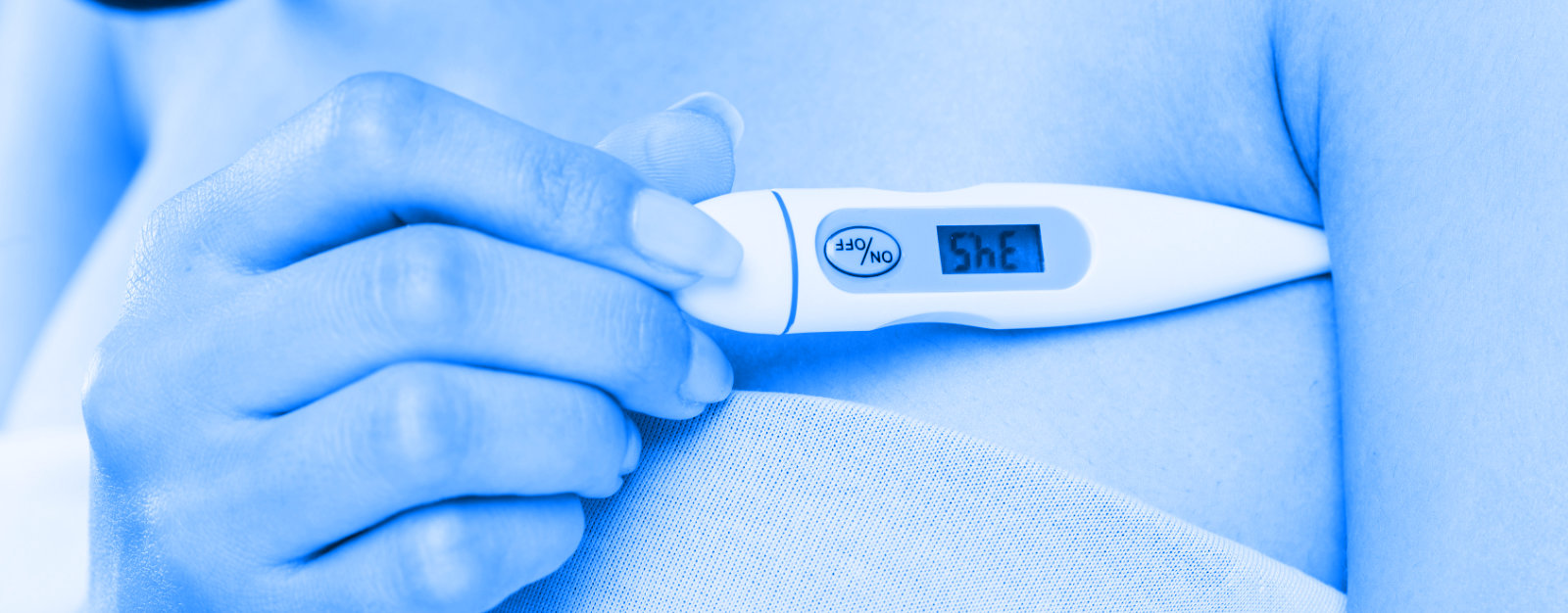
The test can be taken by any man or woman, but menstruating women should take the test especially during the second and third days of their period. It is instructive, however, for a woman to measure the axial temperature on other days of the month in order to find correlation’s with her cycle and if the temperature is always low, then she may not have to wait until she begins to menstruate in order to determine if her thyroid is dysfunctional.
The test requires only an oral thermometer (a basal thermometer may be used but is not necessary). The thermometer should be shaken down at night and left next to the bed. Upon awakening in the morning the thermometer should be inserted in the armpit for ten minutes while you lay quietly in bed. Record the temperature.
An individual with a properly functioning thyroid gland should have readings between 97.8 and 98.2 degrees F. If the temperature is consistently below 97.8° F, then the thyroid may not be functioning properly. Reasons for low thyroid function are many including insufficient iodine, insufficient nutrients feeding the thyroid (such as niacin, tyrosine, vitamin C, vitamin A, selenium, glutathione, and zinc),excessive stress, excessive estrogen, and heavy metal toxicity. Temperatures above 98.2° F are indicative of an overactive thyroid and require a visit to your physician.
The axial temperature test may be used to evaluate treatment outcomes and has been used by physicians and patients to “titrate” to the proper dosage of thyroid hormone supplements. That is, once the axial temperature is in the normal range, then the proper dosage has been found. It is important to remember that this process is a relatively slow one, often taking many weeks for stability to be reached.